From Stagnation to Success: Mastering Negative Karmic Inertia

Shattering All Blockades in Life

Understanding the Three Gunas: A Path to Self-Improvement

Understanding the three Gunas explained in the Srimad Bhagavad Gita offers profound insights into human behaviour and consciousness. These three fundamental qualities—Sattva (goodness), Rajas (passion), and Tamas (ignorance)—shape our thoughts, actions, and overall life experience. Among these, the Tamasa Guna, which embodies indolence, laziness, lethargy, negativity, and pessimism, often acts as a significant impediment to personal growth and productivity. I refer to this as ‘Negative Karmic Inertia.’

Much like maintaining a good hormonal balance is crucial for physical health, achieving a harmonious balance of the three Gunas is essential for a fulfilling and enriching life. By understanding and managing our Guna levels, we can enhance our self-awareness and work towards self-improvement. The real transformation happens within, even if the knowledge and inspiration come from external sources.

The Role of Tamasa Guna

Excessive Tamas is like a heavy weight that chains a person to the ground, preventing any positive change and perpetuating a state of lethargy and inertia. It not only affects one’s behaviour but also distorts one’s ability to rationalise and make sound decisions. A person overwhelmed by Tamas might find themselves stuck in a cycle of inaction and negativity, unable to break free and achieve their true potential.

The Three Gunas explained in the Bhagavad Gita

The Srimad Bhagavad Gita provides a detailed explanation of the three Gunas and their effects on individuals:

SBG 14:5 – “The three Gunas or qualities are Sattva, which is the quality of goodness; Rajas, which is the quality of passion; and Tamas, which is the quality of ignorance; O mighty-armed one. They are born of Prakriti which is Nature. These qualities bind very fast the immutable embodied Self in the body.”

SBG 14:6 – “Of these, Sattva, which, due to its purity, is luminous and healthy, frees a person of all Karmic reactions. Those of this Guna are attached to knowledge and to happiness, O sinless one.”

SBG 14:7 – “You should know Rajas to be the Guna or nature of passion, which is the source of desire and attachment. O Arjuna, it binds fast to the embodied Self by attachment to action.”

SBG 14:8 – “Tamas is born of ignorance and deludes all embodied beings. O Arjuna, this results in the binding of the embodied soul by negligence, sleep and laziness!”

SBG 14:9 – “O Arjuna, Sattva binds one to happiness, Rajas to action, while Tamas shrouds knowledge and binds one to idiocy.”

SBG 14:10 – “O descendant of Bharata (Arjuna), Sattva prevails over Rajas and Tamas, while Rajas manifests itself by overpowering Sattva and Tamas; and Tamas manifests itself by subduing Sattva and Rajas.”

SBG 14:11 – “When the light of wisdom shines through every sense in this body, it may be known that Sattva is predominant.”

SBG 14:12 – “When greed, endeavour for material gains, restlessness and longing arise; Rajas is predominant, O Arjuna.”

SBG 14:13 – “The presence of illusion, darkness, recklessness and delusion in a person indicate the predominance of Tamas in them, O Arjuna.”

Overcoming Negative Karmic Inertia

Many people struggle with feelings of demotivation and an inability to achieve their goals. This internal blockage often stems from an excess of the Tamasa Guna. Conversely, those driven by an excessive Rajas Guna might find themselves aggressive and even harmful in their pursuit of desires.

Managing Rajas

SBG 3:36-37: Arjuna asks Krishna: What prompts a man to perform sinful deeds, O descendant of Vrshni? Why does he commit such acts even without desiring to do them, as if he were forced?

Shri Bhagavan Krishna replies: Lust and anger are born out of the material nature called Rajoguna, which is insatiable and prompts man to commit sin. You must know that this is the greatest enemy in a man’s spiritual life.

Understanding one’s Guna ratio is akin to a doctor diagnosing a patient: it allows for targeted self-improvement. By identifying and addressing the predominant Guna that is out of balance, individuals can work on the specific areas needed to overcome unwanted situations in life.

Self-Study and Introspection

The path to self-improvement begins with self-study and introspection. Rather than casting blame on external factors, it is crucial to look within and understand the internal dynamics that drive our behaviour. By doing so, we can achieve a harmonious balance of the Gunas, leading to a more pleasant, enriching, and fulfilling life.

Finally, the knowledge of the three Gunas offers a powerful tool for self-awareness and personal growth. By recognising the influence of Tamas and working to balance it with Sattva and Rajas, we can overcome negative karmic inertia and realise our true potential. The journey to self-improvement is an inward one, and the key to success lies in understanding and managing the forces within us.

Reflect on your own Guna ratio, identify the areas that need attention, and take the necessary steps to bring balance and harmony into your life. Embrace the power of self-awareness and let it guide you towards a brighter, more fulfilling future.

If you truly want to change your life, it is you who must change, for the world will not bend to your will.

“Who looks outside dreams; who looks inside awakes.” – Carl Jung

Unlocking the Power of Your Choices

The Shocking Power of Your Choices: What You Sow Now, You Reap Later

Have you ever stopped to consider how the choices you made in the past have shaped your life today, and how the choices you make today will shape the life you’ll lead tomorrow? It’s a profound thought, one that often goes unnoticed in the hustle and bustle of daily life. Yet, the reality is that every decision, big or small, sets the stage for your future.

Imagine your life as a garden. The seeds you plant now—your choices, actions, and even thoughts—will grow and flourish, determining the landscape of your tomorrow. But here’s the kicker: not all seeds bear the fruit you desire. Some choices can lead to a bountiful harvest, while others may result in weeds that choke out your potential. Try it, and you will see that you can almost always trace everything you do, have, or not have to some small choice you made in the past.

In this video presentation, we will delve deep into this concept, exploring the hidden power of the everyday choices we make. We’ll uncover how every decision we make impacts our future, often in ways we can’t foresee. Through my own real-life example and thought-provoking insights, we’ll see how to make choices that align with the life we truly want to live.

Don’t miss out on this eye-opening exploration of how your current decisions will echo through the years to come. Watch the video and discover the importance of everything you think, say, or do that can plant the seeds of a fulfilling, successful, and happy future.

Are you ready to see how the power of choice shapes your destiny? Click play and start your journey to a better tomorrow.

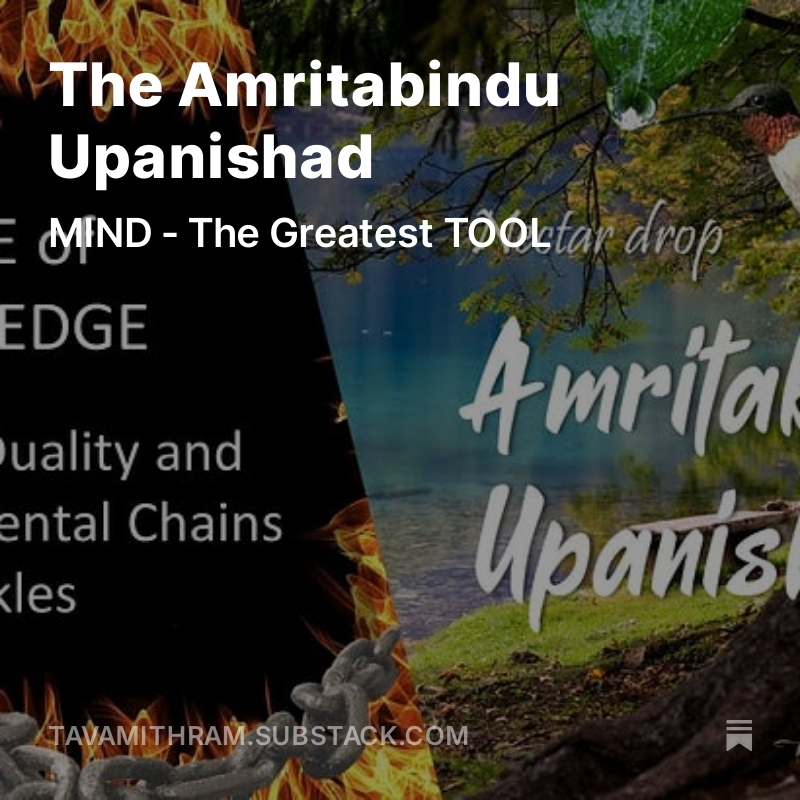
Amritabindu Upanishad on Substack

The MIND – Man’s Greatest Tool

*SUBSCRIBE TO MY SUBSTACK – IT’S FREE*

Learning to use the MIND as a Churning Stick to realise your TRUE DIVINE SELF!

The Amritabindu Upanishad, part of the Krishna Yajur Veda, is a concise and powerful text for true seekers of spiritual wisdom. CONTINUE ON SUBSTACK


Treat Insults and Setbacks as ‘ROCKET FUEL’

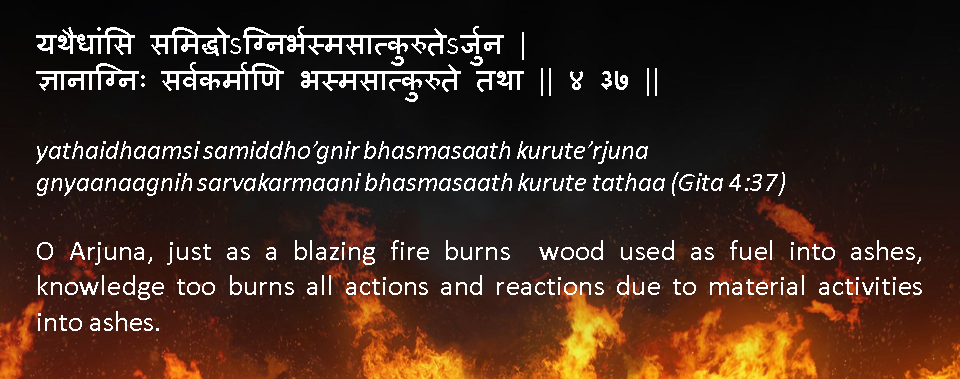
Shatter the Cycle: BURN and RESET your Karma!


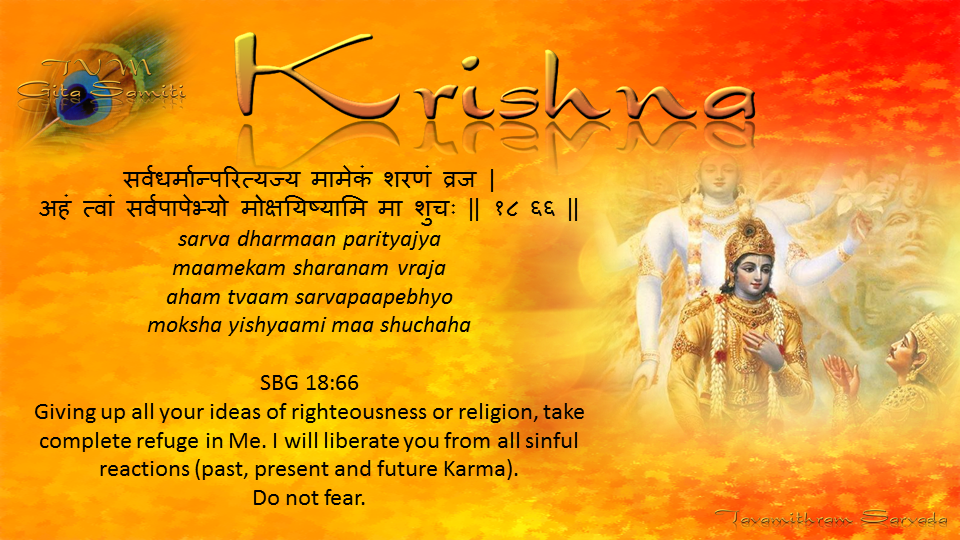
The Ever-Relevant Gita: A Present-Day Rendering’

FREE PROMO CODES: LIMITED OFFER

The Greatest Gift to Yourself for 2024 and the Future

Nonduality #Vedanta #SelfDiscovery #Consciousness #Spirituality #TruthSeeker”

Anger – your greatest ally?

Harness Your Rage and Redefine Your Reality

TheTriple ‘Z’ 

What if I told you that anger isn’t something to be feared or suppressed, but rather a powerful force that, when harnessed wisely, can drive incredible change in your life?

Well, some people are happy with their lives, not so happy, sad, or even sick of their lives. If everything is going well, and you are happy, just continue doing what you are doing and living the way you are. I don’t propagate the ideas of ‘good and bad’ or ‘right and wrong,’ which I consider dogmatic. Common sense alone tells us that something is good and right if it makes us happy and in no way harms our health, surroundings, nature, or others.

However, many are unhappy, dissatisfied, depressed, weak, or scared and would like to change their lives for the better. For those who genuinely want to make changes, however big or small, here are some steps you might want to follow:

  1. Identifying the Problems

Write down what you don’t like about your current situation, whether it’s your appearance, living circumstances, work, mindset, or any other area of your life. Be as specific as possible. I have given some easy and practical hacks in my video titled ‘Shatter the Cycle: BURN and RESET your Karma!’

  1. Setting Clear Goals

Next, think about what you want to achieve. What does your ideal self look like? How do you want to feel or think differently? Write down these goals so that you have a clear target to aim for. Be absolutely specific and describe your ideal self in detail.

  1. Execution

Once you’ve identified your problems and set your goals, begin outlining the steps or strategies needed to achieve them. This might involve altering your habits, seeking guidance, or acquiring new skills. Concentrate on taking small, manageable actions that will steadily progress you towards your objectives.

By breaking it down into these steps, you’ll have a clearer path to follow, making it easier to track your progress and stay motivated along the way.

Sitting alone, fretting, fuming, or complaining will only lead to self-pity, and that will ensure that your life stays exactly the way it is now, if not worse.

A Personal Story of Transformation

Thirty years ago, during a 48-hour self-imposed retreat, I conceived and meticulously crafted ‘Project KR’, where I defined and redefined exactly how I wanted my life to unfold.

Almost everything I described in Project KR has been happening so far. This includes the realisation of far-fetched aims, such as meeting with Queen Elizabeth II, and many other things that would have seemed impossible at that time.

I must emphasise that the goals and strategies I outlined in my playbook, which I boldly committed to nearly 30 years ago – defying all conventional thought processes and career planning – have not only materialised but have done so with astonishing precision, even in the finer details. Keep in mind, Rhonda Byrne’s ‘The Secret’ hadn’t even been written back then!

Likely Source of My Determination

My determination likely stemmed from the intense anger I harboured due to the wrongs inflicted upon me by others, which I now recognise as a result of my own naïveté or even foolishness. It’s often said that necessity is the mother of invention, and my ‘necessity,’ or rather my overwhelming drive to transform my life, was so powerful that I was able to create possibilities out of seemingly nothing.

The Triple ‘Z’: Zeal, Zest, and Zing

Around the time I embarked on my 48-hour self-reflection, I was teaching French at several management colleges. I closely observed the mindsets of my students, aged 18 to 20. Among them, only a few exhibited a profound, intense drive to set ambitious goals, achieve them, and pursue a more fulfilling life. This further reinforced my belief that not everyone possesses a high level of drive. While this isn’t inherently wrong, it can result in either a lacklustre future or a life devoid of Zeal, Zest, and Zing – qualities I was highly driven to attain and live my life to the fullest, which I had almost lost in some major accidents earlier.

In the biographies of many great individuals I’ve read, one common thread stands out: they never blamed others for their circumstances. Instead, they took full responsibility, charted their own paths, and forged ahead with determination.

Final Thoughts:

Some people write to me saying that they want to improve their lives, looks, happiness, relationships, etc., but are unable to achieve them.

My question to them is, “Who is stopping you?”

Treat Insults and Setbacks as ‘ROCKET FUEL’

Shatter the Cycle: BURN and RESET your Karma!


The Ever-Relevant Gita: A Present-Day Rendering’

Nonduality #Vedanta #SelfDiscovery #Consciousness #Spirituality #TruthSeeker”

Shatter the Cycle: BURN and RESET your Karma!

Break Free from Fate and Change Your Life Instantly

Karma Hacks

The concept of karma, often misunderstood or shrouded in superstition, is essentially about the patterns and outcomes in our lives that are heavily influenced by our own attitudes, actions, and reactions. Here’s a simplified breakdown of how Karma functions and impacts our lives and even those of our descendants:


The Ever-Relevant Gita: A Present-Day Rendering’

FREE PROMO CODES: LIMITED OFFER

The Greatest Gift to Yourself for 2024 and the Future

Nonduality #Vedanta #SelfDiscovery #Consciousness #Spirituality #TruthSeeker”

Chasing Shadows: The Myth of Falling in Love Twice

Loving the ‘Ghosts’ of the Past

The Illusions of Rekindled Love

To rekindle love with the same person is to engage not with the individual afresh but with the echoes of memories. This profound realisation speaks to the heart’s intrinsic tendency to seek comfort in the familiar, often failing to distinguish between past and present.

When you attempt to fall in love a second time with the same person, it is not the person themselves that you are drawn to, but rather the nostalgic recollections of who they once were in your life. The heart, in its yearning, seeks not the present reality but the cherished illusions of the past. This longing is similar to chasing a mirage, where the closer you believe you are to reclaiming that love, the further you drift from the truth of the now.

mirage 02

Memories hold a powerful sway over us. They encapsulate moments of joy, connection, and intimacy, making them seem far more vibrant than the reality might have been. Everyone changes in life. Their looks, likes, dislikes, attitudes, expectations from others, and overall philosophy of life keep changing. When a person endeavours to rediscover a lost love, the truth is that they are not engaging with the person as they are in the present moment, with all their growth, changes, and complexities. Instead, they entwine themselves with the shadows of what once was, rather than the essence of what is.

This pursuit is fraught with peril. It sets us on a path where the idealised past overshadows the potential of the present. The beauty of memory lies in its ability to preserve moments, yet its danger resides in its capacity to imprison us within them. By constantly looking backwards, we risk missing the opportunities for genuine connection and growth that exist in the present.

To truly understand the nature of love is to recognise its fluidity. Love is not a static entity that can be perfectly recaptured once lost; it is an evolving force that thrives in the present moment. Embracing this perspective allows us to honour our memories, all of which are learning experiences, without becoming enslaved by them, and opening ourselves to the possibility of new experiences and deeper connections.

In the end, the quest to fall in love again with the same person teaches us a poignant lesson: the past, with all its beauty and pain, should be cherished but not clung to. The essence of true love lies in its ability to adapt, to grow, and to find beauty in the present, rather than in the shadows of what once was.


The Ever-Relevant Gita: A Present-Day Rendering’

FREE PROMO CODES: LIMITED OFFER

The Greatest Gift to Yourself