
Twelve years ago, in February 2014, Tavamithram Sarvada began quietly. There was no grand announcement, no strategy to gather followers, and no desire to become an authority. It began from a simple, unwavering intention: clarity. I wanted a space where truth could be examined honestly, where ideas could be tested, and where understanding would matter more than approval.
This platform was never meant to impress. It was meant to illuminate.
From the very beginning, the aim was to share what truly helps a human being live with steadiness, intelligence, and inner freedom. Not borrowed knowledge. Not inherited beliefs. Not emotional comfort. But understanding grounded in observation, reason, and direct insight.
Over these twelve years, I have shared what I have studied, tested, experienced, and verified for myself. The central focus has always remained the same: the nature of the mind, the root of suffering, and the possibility of freedom through clarity.
One truth stands out above all. Disturbance does not come from situations. It comes from interpretation. Events are neutral. It is the mind’s reaction that creates agitation. When perception becomes clear, reaction becomes intelligent. And when reaction becomes intelligent, calmness is no longer something to be practised. It becomes natural.
Many believe calmness means suppressing emotion. That is not calmness. Calmness is understanding. When something is fully understood, it no longer disturbs. This is why I have always emphasised observation before change. Just as a doctor diagnoses before treatment, one must observe the mind before trying to control it. Without understanding, all effort becomes struggle. With understanding, transformation becomes effortless.
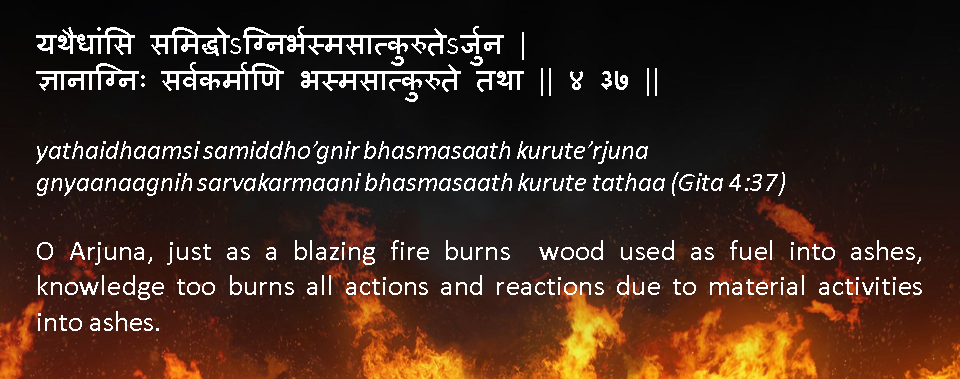
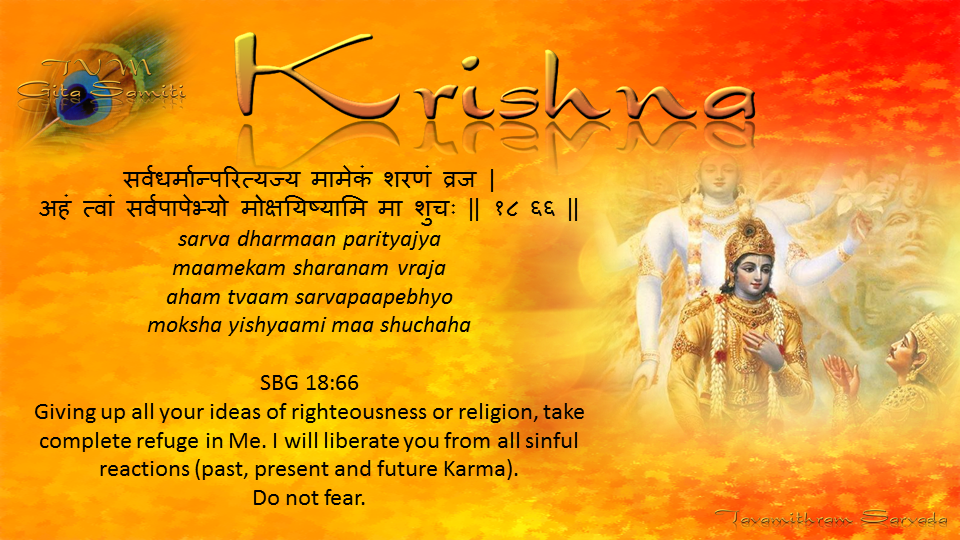
Throughout these years, I have consistently pointed to one direct and reliable source of supreme knowledge: the Srimad Bhagavad Gita. Not as a religious text, not as mythology, not as ritual instruction, but as a precise manual of clarity. When understood rationally, it cuts through confusion faster than any other teaching. It dismantles fear, exposes illusion, dissolves dependency, and frees a person from mental slavery to belief systems, authorities, and imagined limitations.
The Srimad Bhagavad Gita does not ask for belief. It leads a seeker towards understanding. And understanding is liberation.
Everything shared through Tavamithram Sarvada has revolved around this principle: verify for yourself. Do not accept something because it is ancient. Do not reject something because it is unfamiliar. Examine, reflect, and understand. Truth does not fear inquiry.
Over these twelve years, this platform has grown into a body of work that includes writings, explanations, lessons, reflections, and practical frameworks for living with clarity. Many readers have written to say that they think more clearly now, react less impulsively, and feel stronger inwardly. That is the only measure that matters. Not numbers. Not recognition. Transformation.
What makes this work different is simple. It does not ask anyone to follow. It asks them to understand. It does not create dependence. It encourages independence. It does not promise comfort. It offers clarity. Comfort weakens. Clarity strengthens.
Tavamithram Sarvada began as a silent movement for those who have had enough of religious nonsense sold to them and are ready for the ultimate truth of Vedanta. It is a reminder. A reminder that every human being already possesses the capacity for insight, steadiness, and freedom. Nothing new needs to be added. Only confusion needs to be removed.
To everyone who has read, reflected, questioned, disagreed, or grown through these writings over the years, you have my sincere appreciation. Your willingness to think deeply keeps this space alive and meaningful.
Twelve years have passed. The purpose has not changed. The direction has not shifted. And the commitment remains exactly what it was on day one: clarity above all.
The journey continues.
With love and affection.
Tavamithram Sarvada






 Tavamithram Sarvada