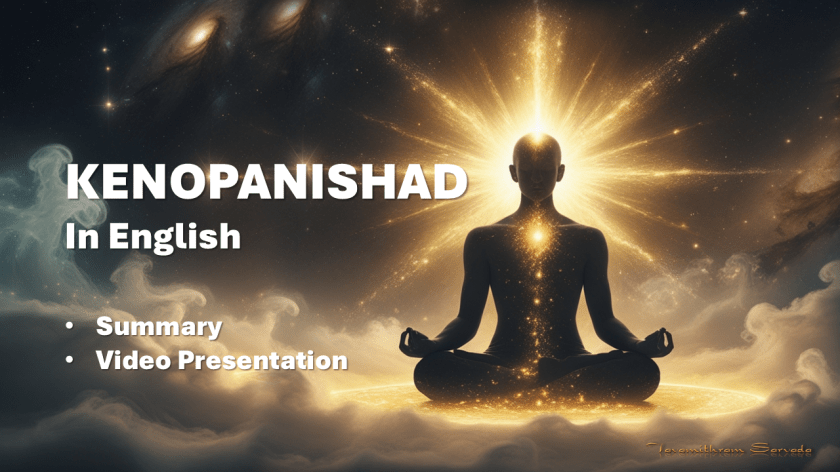
Kenopanishad – The Path Beyond Perception

CLICK HERE TO READ THE POST ON SUBSTACK

What if everything you worship, think, and perceive is not the ultimate truth?

The Kenopanishad shakes the very foundation of our understanding by revealing that Brahman—the ultimate reality—is not what the senses perceive, nor what the mind can grasp. It is that by which all perception happens, yet remains beyond perception itself.

I am pleased to share my English explanation of the Kenopanishad, now available on the new Vedanta channel, Timeless Vedanta. This Upanishad is a profound text that explores the nature of ultimate reality, the limitations of perception, and the essence of Brahman—the supreme truth that is beyond the grasp of the senses and intellect.

This video presents a clear and insightful analysis of the Kenopanishad, encouraging deeper reflection and self-inquiry. Watch, learn, and break free from blind beliefs to embrace the wisdom of Vedanta.

Your engagement helps spread the knowledge of Advaita Vedanta and enables more seekers to benefit from these ancient yet ever-relevant teachings.

Summary of the Kenopanishad

The Kenopanishad from the Sama Veda’s Talavakara Brahmana is a profound exploration of Brahman, the ultimate reality that transcends sensory perception and intellectual comprehension. It is structured into four sections, addressing the nature of consciousness, the limitations of the mind and senses, and the necessity of realisation beyond mere knowledge.

I. The Nature of Brahman

The text begins with fundamental inquiries: What is the force behind the mind, speech, and senses? What enables perception and cognition? The answer given is that Brahman is the unseen power that enables all faculties yet remains beyond their grasp.

  • Brahman is the “ear of the ear, the mind of the mind, the speech of speech, the life of life, and the eye of the eye.”
  • The wise attain immortality by renouncing identification with the senses and realising this truth.
  • Brahman is beyond thought, speech, and sight, yet it is that by which the mind thinks, speech expresses, and the eyes see.
  • “Nedam-yadidam-upaasate” – That which is worshipped as an object is not Brahman; the real Brahman is that which enables perception itself.

II. The Paradox of Knowing Brahman

The Upanishad asserts that Brahman is not fully knowable, nor is it completely unknown. It is beyond dualistic comprehension:

  • If one thinks, “I know Brahman,” they have only a partial understanding.
  • Brahman is known by those who realise they do not fully know and remains unknown to those who think they know it completely.
  • True knowledge of Brahman leads to immortality, strength, and ultimate fulfilment.

III. The Parable of the Gods and Brahman’s Revelation

The Upanishad illustrates the ignorance of the gods through a symbolic story:

  • After a great victory, the gods (Agni, Vayu, and Indra) assume their triumph is solely their own.
  • Brahman appears as an unknown Yaksha (divine being) to humble them.
  • Agni, the fire god, fails to burn a blade of grass; Vayu, the wind god, fails to lift it—revealing their limited power.
  • Indra, seeking answers, meets Uma (Parvati), the embodiment of wisdom, who reveals that their victory was due to Brahman alone.
  • Indra, being the first to realise this, is praised above the other gods.

IV. The Flash of Realisation

  • Brahman is realised like a lightning flash or a blink of an eye—sudden and beyond conceptualisation.
  • The seeker must meditate on Brahman as “Tadvana” (the most desirable).
  • Austerity, self-restraint, and righteous action serve as the foundation for realisation.
  • One who attains this knowledge becomes established in Brahman, free from ignorance, confusion, suffering, and Karma

The Kenopanishad asserts that Brahman is the essence of all experience but cannot be objectified. It must be known intuitively, not intellectually. The Upanishad leads the seeker away from external worship to direct self-inquiry, revealing that the ultimate truth is not in what is perceived but in that which enables perception itself.

Click here for the complete text of the Kenopanishad in English

📌 Watch, like, and share the video.
📌 Subscribe to the channel, Timeless Vedanta, for more timeless teachings.

Amritabindu Upanishad on Substack

The MIND – Man’s Greatest Tool

*SUBSCRIBE TO MY SUBSTACK – IT’S FREE*

Learning to use the MIND as a Churning Stick to realise your TRUE DIVINE SELF!

The Amritabindu Upanishad, part of the Krishna Yajur Veda, is a concise and powerful text for true seekers of spiritual wisdom. CONTINUE ON SUBSTACK


Treat Insults and Setbacks as ‘ROCKET FUEL’

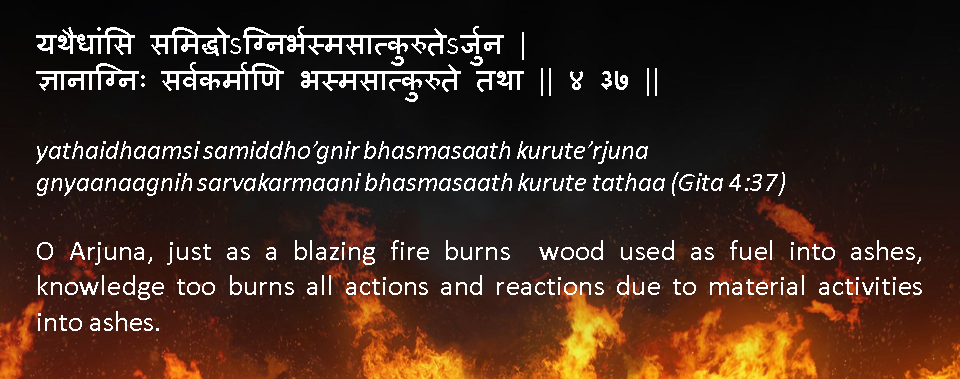
Shatter the Cycle: BURN and RESET your Karma!


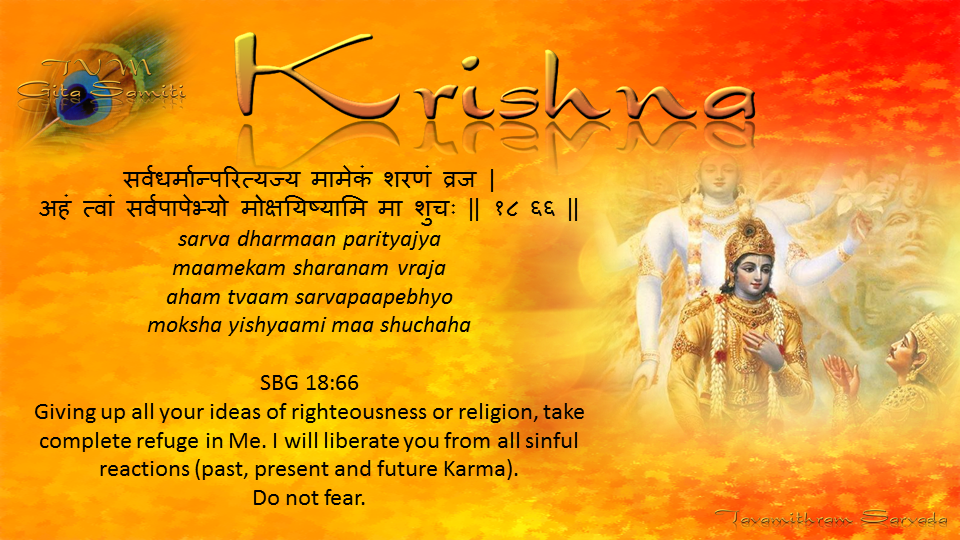
The Ever-Relevant Gita: A Present-Day Rendering’

FREE PROMO CODES: LIMITED OFFER

The Greatest Gift to Yourself for 2024 and the Future

Nonduality #Vedanta #SelfDiscovery #Consciousness #Spirituality #TruthSeeker”

Anger – your greatest ally?

Harness Your Rage and Redefine Your Reality

TheTriple ‘Z’ 

What if I told you that anger isn’t something to be feared or suppressed, but rather a powerful force that, when harnessed wisely, can drive incredible change in your life?

Well, some people are happy with their lives, not so happy, sad, or even sick of their lives. If everything is going well, and you are happy, just continue doing what you are doing and living the way you are. I don’t propagate the ideas of ‘good and bad’ or ‘right and wrong,’ which I consider dogmatic. Common sense alone tells us that something is good and right if it makes us happy and in no way harms our health, surroundings, nature, or others.

However, many are unhappy, dissatisfied, depressed, weak, or scared and would like to change their lives for the better. For those who genuinely want to make changes, however big or small, here are some steps you might want to follow:

  1. Identifying the Problems

Write down what you don’t like about your current situation, whether it’s your appearance, living circumstances, work, mindset, or any other area of your life. Be as specific as possible. I have given some easy and practical hacks in my video titled ‘Shatter the Cycle: BURN and RESET your Karma!’

  1. Setting Clear Goals

Next, think about what you want to achieve. What does your ideal self look like? How do you want to feel or think differently? Write down these goals so that you have a clear target to aim for. Be absolutely specific and describe your ideal self in detail.

  1. Execution

Once you’ve identified your problems and set your goals, begin outlining the steps or strategies needed to achieve them. This might involve altering your habits, seeking guidance, or acquiring new skills. Concentrate on taking small, manageable actions that will steadily progress you towards your objectives.

By breaking it down into these steps, you’ll have a clearer path to follow, making it easier to track your progress and stay motivated along the way.

Sitting alone, fretting, fuming, or complaining will only lead to self-pity, and that will ensure that your life stays exactly the way it is now, if not worse.

A Personal Story of Transformation

Thirty years ago, during a 48-hour self-imposed retreat, I conceived and meticulously crafted ‘Project KR’, where I defined and redefined exactly how I wanted my life to unfold.

Almost everything I described in Project KR has been happening so far. This includes the realisation of far-fetched aims, such as meeting with Queen Elizabeth II, and many other things that would have seemed impossible at that time.

I must emphasise that the goals and strategies I outlined in my playbook, which I boldly committed to nearly 30 years ago – defying all conventional thought processes and career planning – have not only materialised but have done so with astonishing precision, even in the finer details. Keep in mind, Rhonda Byrne’s ‘The Secret’ hadn’t even been written back then!

Likely Source of My Determination

My determination likely stemmed from the intense anger I harboured due to the wrongs inflicted upon me by others, which I now recognise as a result of my own naïveté or even foolishness. It’s often said that necessity is the mother of invention, and my ‘necessity,’ or rather my overwhelming drive to transform my life, was so powerful that I was able to create possibilities out of seemingly nothing.

The Triple ‘Z’: Zeal, Zest, and Zing

Around the time I embarked on my 48-hour self-reflection, I was teaching French at several management colleges. I closely observed the mindsets of my students, aged 18 to 20. Among them, only a few exhibited a profound, intense drive to set ambitious goals, achieve them, and pursue a more fulfilling life. This further reinforced my belief that not everyone possesses a high level of drive. While this isn’t inherently wrong, it can result in either a lacklustre future or a life devoid of Zeal, Zest, and Zing – qualities I was highly driven to attain and live my life to the fullest, which I had almost lost in some major accidents earlier.

In the biographies of many great individuals I’ve read, one common thread stands out: they never blamed others for their circumstances. Instead, they took full responsibility, charted their own paths, and forged ahead with determination.

Final Thoughts:

Some people write to me saying that they want to improve their lives, looks, happiness, relationships, etc., but are unable to achieve them.

My question to them is, “Who is stopping you?”

Treat Insults and Setbacks as ‘ROCKET FUEL’

Shatter the Cycle: BURN and RESET your Karma!


The Ever-Relevant Gita: A Present-Day Rendering’

Nonduality #Vedanta #SelfDiscovery #Consciousness #Spirituality #TruthSeeker”

Shatter the Cycle: BURN and RESET your Karma!

Break Free from Fate and Change Your Life Instantly

Karma Hacks

The concept of karma, often misunderstood or shrouded in superstition, is essentially about the patterns and outcomes in our lives that are heavily influenced by our own attitudes, actions, and reactions. Here’s a simplified breakdown of how Karma functions and impacts our lives and even those of our descendants:


The Ever-Relevant Gita: A Present-Day Rendering’

FREE PROMO CODES: LIMITED OFFER

The Greatest Gift to Yourself for 2024 and the Future

Nonduality #Vedanta #SelfDiscovery #Consciousness #Spirituality #TruthSeeker”

A Simple and Practical Life-Changing ‘Mantra’

Crisis Management

Simple Truth for Mental Peace

Beat Stress and Fear Instantly with This One Secret!

We all experience mental stress, and in 99.99% of cases, it arises from one primary reason: not being able to come to terms with a situation. This was a profound lesson I learned early in life, thanks to my father’s timeless advice. Whenever I found myself in danger or facing a serious predicament, his words would echo in my mind, guiding me through the turmoil.

My father’s advice was simple yet powerful: “In times of trouble, stay calm and ask yourself what to do next.” This approach encourages acceptance of the situation, even if temporarily, and prompts you to ask, “What next?” This small but significant shift in mindset allows your intelligence to take over, pushing aside emotional responses and enabling you to find practical solutions.

Life can often feel overwhelmingly complicated, much like making intricate ‘jalebis’. However, the true sources of our stress are usually straightforward: ego, sense of entitlement, and self-pity. My father taught me to recognise these barriers and to let them go. By doing so, you clear the path to a more serene and manageable life.

Embracing this mindset has been a cornerstone of my highly eventful life. It’s a strategy that has repeatedly proven its worth, offering a 100% guarantee for a life filled with peace, love, joy, and humour. These golden words, rooted in my father’s wisdom, can help anyone achieve a blissful existence.

So, next time you find yourself in a stressful situation, remember to stay calm, accept the moment, and simply ask, “What next?” You’ll be amazed at how quickly clarity and solutions emerge.

#LifeTips #MentalPeace #SimpleLiving #FathersWisdom #MindsetShift #StressRelief

02 Overcoming Fear: Stoic Resilience and Vedantic Enlightenment

What is Fear?

Dive into the profound wisdom of Stoicism and Vedanta to overcome fear and build inner resilience. In this video, we explore practical techniques and timeless teachings from these ancient philosophies that guide us in facing our fears with courage and clarity. Discover how understanding the nature of fear and applying these insights can lead to a life of greater peace and strength.

What You’ll Learn:

  • The Stoic perspective on fear and its management
  • Vedantic teachings on transcending fear through self-realisation
  • Practical steps to cultivate resilience and calm in the face of fear
  • Quotes and insights from Marcus Aurelius, Epictetus, and the Bhagavad Gita

Key Quotes:

“Men are disturbed not by things, but by the view they take of them.” – Epictetus
“The moment you fear, you are nobody.” – Swami Vivekananda

Topics Covered:

  • Understanding the nature of fear
  • Stoic technique of ‘premeditatio malorum’ (premeditation of evils)
  • Vedantic view of the eternal, unchanging self
  • Strategies for mental and emotional preparation

Stadt your journey towards inner peace and emotional resilience with the timeless wisdom of Stoicism and Vedanta. Watch now to learn how to transcend fear and embrace a life of purpose and strength.

Chasing Shadows: The Myth of Falling in Love Twice

Loving the ‘Ghosts’ of the Past

The Illusions of Rekindled Love

To rekindle love with the same person is to engage not with the individual afresh but with the echoes of memories. This profound realisation speaks to the heart’s intrinsic tendency to seek comfort in the familiar, often failing to distinguish between past and present.

When you attempt to fall in love a second time with the same person, it is not the person themselves that you are drawn to, but rather the nostalgic recollections of who they once were in your life. The heart, in its yearning, seeks not the present reality but the cherished illusions of the past. This longing is similar to chasing a mirage, where the closer you believe you are to reclaiming that love, the further you drift from the truth of the now.

mirage 02

Memories hold a powerful sway over us. They encapsulate moments of joy, connection, and intimacy, making them seem far more vibrant than the reality might have been. Everyone changes in life. Their looks, likes, dislikes, attitudes, expectations from others, and overall philosophy of life keep changing. When a person endeavours to rediscover a lost love, the truth is that they are not engaging with the person as they are in the present moment, with all their growth, changes, and complexities. Instead, they entwine themselves with the shadows of what once was, rather than the essence of what is.

This pursuit is fraught with peril. It sets us on a path where the idealised past overshadows the potential of the present. The beauty of memory lies in its ability to preserve moments, yet its danger resides in its capacity to imprison us within them. By constantly looking backwards, we risk missing the opportunities for genuine connection and growth that exist in the present.

To truly understand the nature of love is to recognise its fluidity. Love is not a static entity that can be perfectly recaptured once lost; it is an evolving force that thrives in the present moment. Embracing this perspective allows us to honour our memories, all of which are learning experiences, without becoming enslaved by them, and opening ourselves to the possibility of new experiences and deeper connections.

In the end, the quest to fall in love again with the same person teaches us a poignant lesson: the past, with all its beauty and pain, should be cherished but not clung to. The essence of true love lies in its ability to adapt, to grow, and to find beauty in the present, rather than in the shadows of what once was.


The Ever-Relevant Gita: A Present-Day Rendering’

FREE PROMO CODES: LIMITED OFFER

The Greatest Gift to Yourself